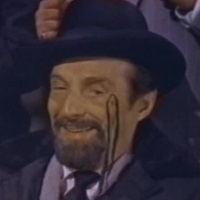
Return of Mr. Superman

1960
Written and directed by Manmohan Sabir

In 1960, India would release not just one, but two movies featuring the American super hero Superman. Neither film was authorized by DC Comics, and both films starred famed actor P. Jairaj as Superman. Yet weirdly enough, the two films were produced by competing production companies. Both films were originally going to be called Superman, but producers from Mukul Pictures wrote a letter to Manmohan Films (ran by writer/director Manmohan Sabir), which resulted in Manmohan changing the name of their production to Return of Mr. Superman. At least, that’s how the story goes, though the oft-repeated story doesn’t seem to have an actual origin beyond people repeating it. The 1960 Superman film is not available to watch, though some songs from the soundtrack still exist. The only listings I have seen of out of print VCDs or VHS tapes all seem to be about Return of Mr. Superman, so the chances of actually locating the missing Indian Superman film might be a lot closer to zero than I want. If the past few years of lost films arising from the ashes has taught me one thing, it’s to never give up hope. Superman may still be out there, but until he returns to Earth, let’s make do with Return of Mr. Superman!
India would return to Superman a few more times. There is a well-known Hindi version of Superman that has become a common grey-market trading item. There is also a Telugu-language Superman film starring NTR called Superman, which we’ve covered before. Superman’s costume has appeared in musical numbers as well. Let us not forget about the documentary Supermen of Malegaon, which covered the making of a micro-budget Superman bootleg film. Nor is India alone in their bootleg Supermen, he’s popped up in films from Turkey, Bangladesh, and Italy, with suspiciously similar characters appearing in dozens of films from many origins. Superman just has that universal appeal that everyone strives for.

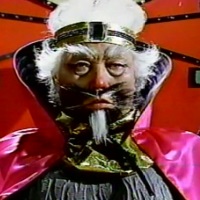
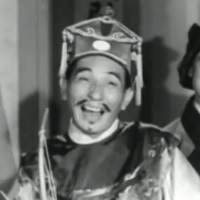
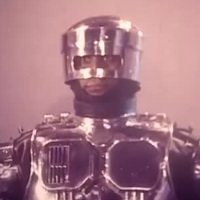
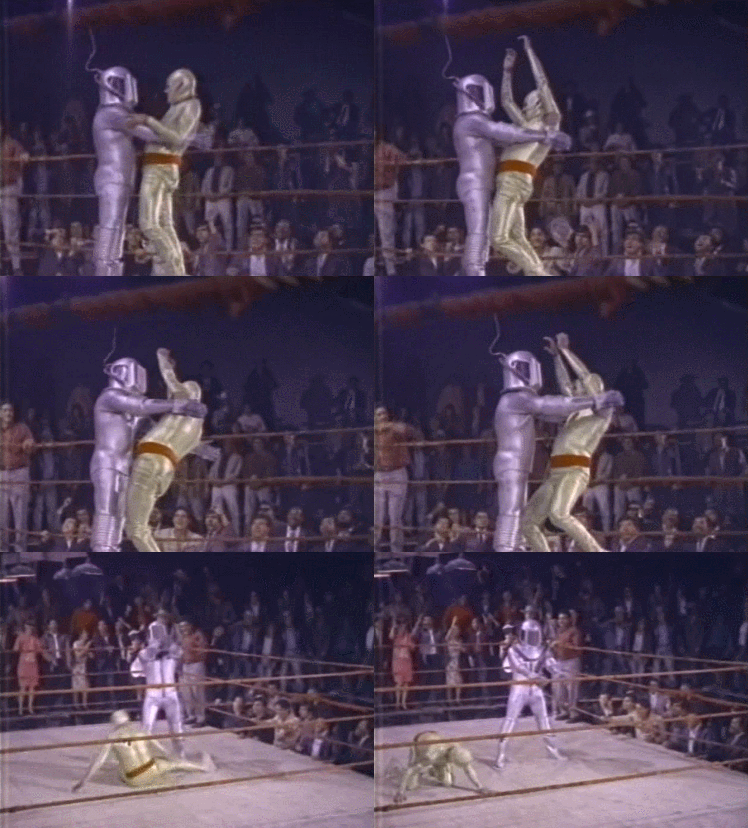
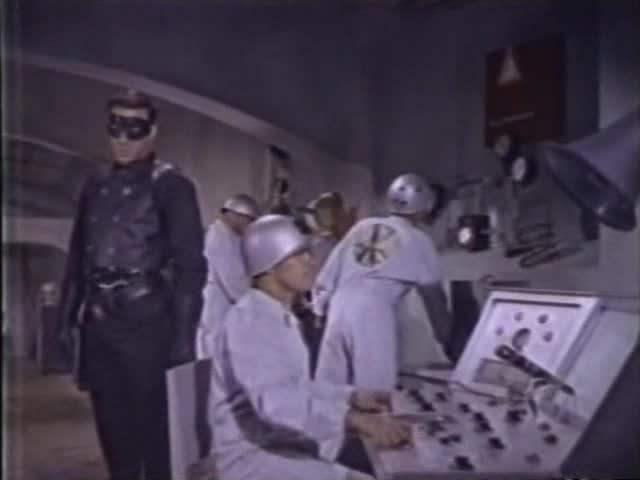
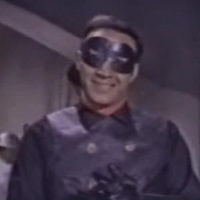
Superman here isn’t the classic Superman costume we all know and love (nor is it the awful red and blue costumes from that forgetable story arc) Superman (or Mr. Superman if you’re nasty) looks like Commando Cody, complete with a crazy space goggles, mask, and cap over his head. He’s got a jumpsuit and a big cape, but still manages to not look like any other incarnation of the hero. My favorite aspect isn’t the goggles, but is his face mask that still has a hole cut for the mouth so he can smugly grin at his opponents as they land punch after useless punch against his chest, before he defeats them by lightly tossing them aside.
Superman gets involved in a complicated smuggling plot, dealing with criminals who continue to operate despite some super-powered guy running around foiling all their plans. It’s not a real mystery as to why that is, the cops in the film are so incompetent at catching these criminals that they often don’t catch them despite Superman phoning them with specific instructions. The only one with any competence is the guy who keeps answering Superman’s calls, and the cops only get effective when he’s leading them in the final battle.
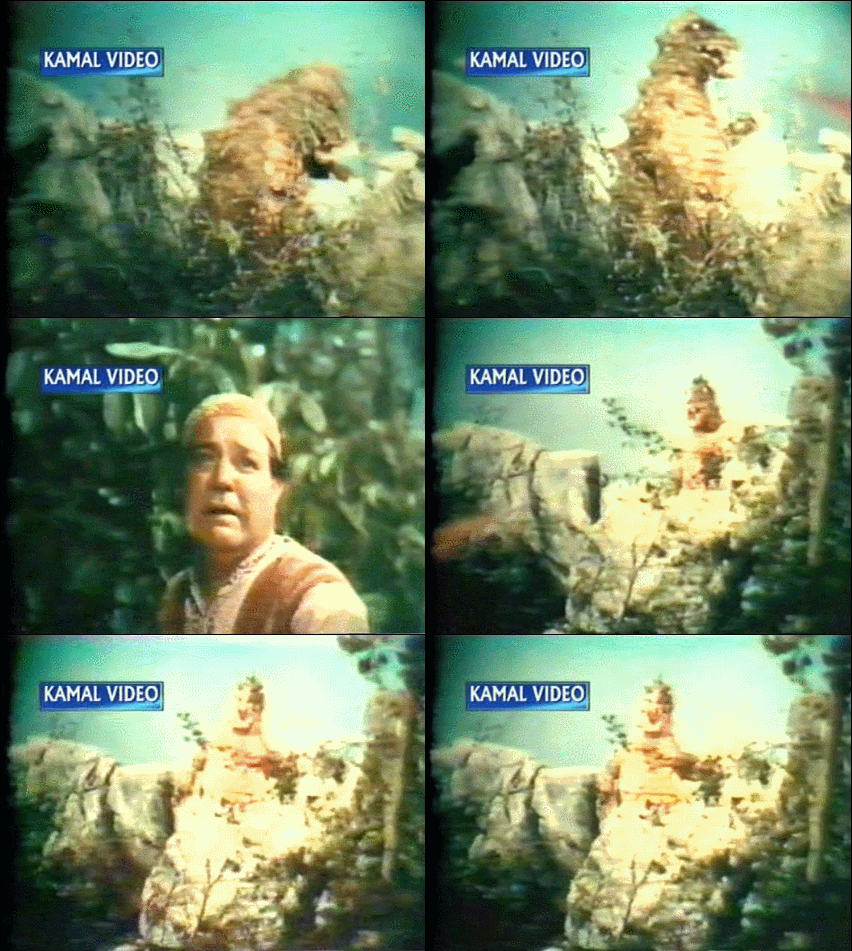
Despite the print being in relatively good condition for a 1960 Indian film, there are obviously some missing segments. At one point two women are captured and Superman goes to attack the villains, but there is no actual rescue of the women. In addition, the main villain who sports a beret suddenly has a black eye for reasons unknown, possibly due to said missing rescue. Another thin is the sudden appearance of a Random Hero Dog, who may not be so random if he is from another part of the film, but as that part does not seem to have made it to the VCD releases, who knows. Finally, Helen is featured in the credits, but does not appear in the film as far as I could determine. She is also listed in the credits for the other 1960 Superman film, so maybe something shady was going on, or maybe her big number has been lost to the sands of time.

As interesting as this movie sounds, it’s actually pretty close to terrible serials in quality. The chunks missing probably help the pacing a bit, though it looks like a few of those sequences were action parts, so maybe not. Definitely something to seek out for fans of obscure stuff, but Return of Mr. Superman isn’t going to make anyone’s bootleg super hero movie must-see list. It’s interesting for the obvious serial influences, but if you aren’t a fan of serials, you will get really annoyed really quickly.
As this film is obscure as heck, please enjoy the overly long film synopsis review. And there are no subtitles for Return of Mr. Superman, but at TarsTarkas.NET, we don’t need no stinking subtitles!
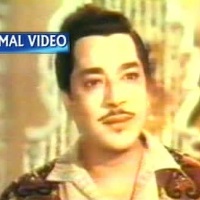
P. Jairaj was a Bollywood actor who dated back to the silent era, his first film being 1929’s Jagmugti Jawani. Born Paidypathy Jairula Naidu, Jairaj was the son of an accountant in a well-to-do family in Hyderabad which set up a life for him to follow, but Jairaj dropped out of college to find his own fortune in Bombay. A friend who worked for Mahavir Photoplays figured he would make a good screen actor, and gave him a supporting role. This was quickly followed by the lead in 1930’s Raseeli Rani, and a string of films followed. When sound was introduced to Indian film, Jairaj had an advantage of speaking Hindi and Urdu (Jairaj also spoke Telugu, but I don’t believe he starred in any Telugu language pictures), but had the disadvantage of not being able to sing. Luckily, the playback system saved his bacon, and he continued being an in-demand lead actor through the 1950s. By the 1960s, his star had faded a bit, and he was relegated to character roles, though managing appearances in classic cinema like Sholay, Toofan, and Don. Through the 1980s and 90s he made less and less frequent appearances. He died in relative obscurity in 2000. Jairaj had some directorial credits, was awarded the Dadasaheb Phalke Lifetime Achievement Award in 1980, and is even in the Guinness World Records for having the longest-spanning career of an actor at 70 years.

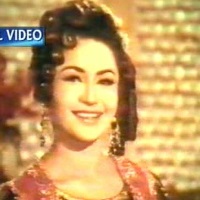
Sheila Ramani was a swinging leading lady in the 1950s, her best known role might be in 1954’s Taxi Driver. She was the niece of Pakistani producer Sheikh Latif (Lachchu), who not only got her some roles in Indian cinema, but some Pakistani films as well (such as Anokhi (1956)). By the end of the 50s, her star was on decline and she appeared in B pictures such as this one and 1959’s Tarzan-inspired Jungle King. She retired from film after getting married.
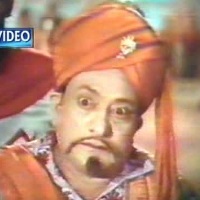
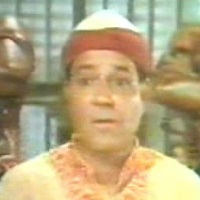
Filling the supporting/comic relief role here is Majnu. He was born Harold Lewis, a Punjabi actor who debuted in 1935’s Majnu, an action comedy that satirized the story of Layla and Majnun (and provided him with the nickname he’s use for the rest of his career!) Though he started in lead roles, he did a lot of supporting/comedic roles through his long career.

So here’s the full scale Roll Call:

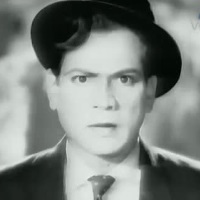 |
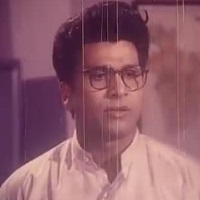
Jaikumar R. Dayal (P. Jairaj) – A mild-mannered reporter at the newspaper Azad Desh, Jaikumar uses his super powers to listen for crimes, then beats up the criminals, calls the cops, and writes stories about the crimes. |
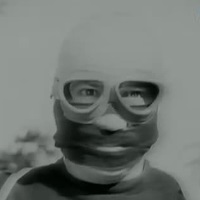 |
Mr. Superman (P. Jairaj) – Mr. Superman aka Superman who cosplays as Commando Cody fights villains and stands and grins at his opponents as they inflict zero damage on him. The only way to beat Mr. Superman is to damage his reputation, which he then fights by punching even harder. |
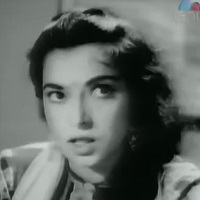 |
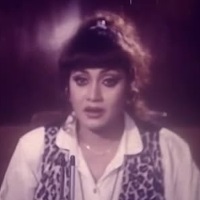
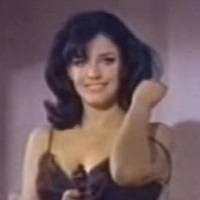
Usha (Sheila Ramani) – Usha types up a lot at Azad Desh, and is possibly also a reporter, as she seems to go out and investigate stuff. Maybe she gets two paychecks this way! Or, more likely, it’s just assumed that women do all the typing in 1960. |
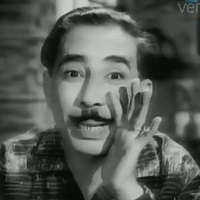 |
Johnny Braganza (Majnu) – Jaikumar’s best buddy guy, sort of like Jimmy Olson. He’s dating Stella but always hitting on typist Shammi. |
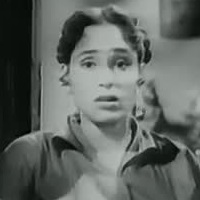 |
Stella (Naazi) – Johnny’s girlfriend, which occasionally gets her in trouble when Johnny and Jaikumar make enemies and she gets kidnapped. Naazi generally appeared in supporting roles in B-level pictures, including the Dara Singh Hercules (1964). Unfortunately there doesn’t seem to be much more about her online (unless she is also the actress Naaz?), and Google keeps thinking I mean “Nazi”, which means I’m now on a bunch of lists. |
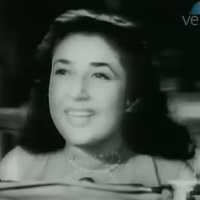 |
Typist (Shammi) – Shammi has a small role as a typist at the Azad Desh office, where she usually has to put up with Johnny Braganza hitting on her all day. This is especially alarming, because nowadays she’d win a million dollar lawsuit and own the Azad Desh. All hail Boss Shammi! Shammi started work in film in 1949 while she was still working at a pharmaceutical company. Taking a large variety of roles, from comedic to supporting to vamp to mythological, it’s said her willingness to take any part cost her big budget starring roles, but Shammi wanted to work more than anything else. |
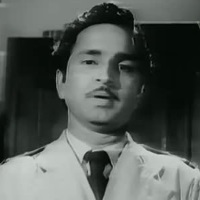 |
Inspector Dilip Desai (Ram Mohan) – The cop who does nothing but investigate tips sent in by Superman all day. Which works out pretty well, until the fake Superman starts robbing people. Then he teams up with the real Superman to finally bust the bad guys he keeps missing by a few minutes. |
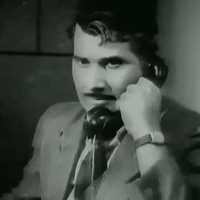 |
Boss (David) – The boss at the Azad Desh newspaper. Somehow puts up with Jaikumar and Johnny. David Abraham Cheulkar was a popular character actor from the 40s through the 70s. He died of a heart attack in 1981. |
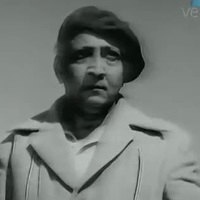 |
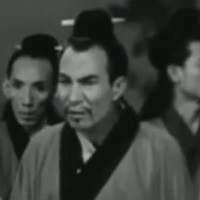
The Villain (Jagdish Kanwal) – The beret-wearing villain is played by Jagdish Kanwal. He’s the leader of the smuggling gang, and mastermind of all the evil things going on. Which means he spends the entire film getting foiled again and again before he’s finally defeated. Try not to be a loser next time, villain guy! |
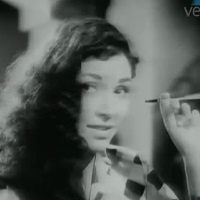 |
Shashi (Heera Sawant) – The bad girl who is part of the evil gang, and tries to kill Superman in between her seductive dancing for the members of the gang (which drives the members mad with fits!) Heera Sawant had a career as a featured dancer in many Indian B pictures. |
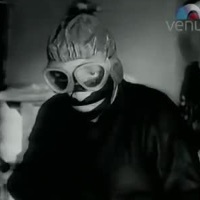 |
Fake Superman (???) – It is a mystery who this could be! (Not really!) |
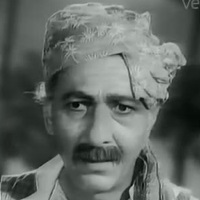 |
Ram Dayal (???) – A local nice guy farmer who finds the alien baby child and raises him as his own son, Jaikumar. Raises his son almost too honest. |
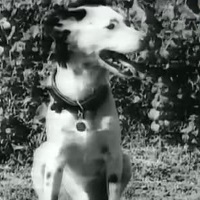 |
Random Hero Dog (???) – In the greatest sequence ever filmed, the exciting conclusion of Return of Mr. Superman features a random brave heroic dog who fights the villains. Where does he come from? Who is he? Questions you will ask forever, because the film doesn’t bother to tell us! Just enjoy the Random Hero Dog, and try to live your life as good as him/her.
|
|

Continue reading →